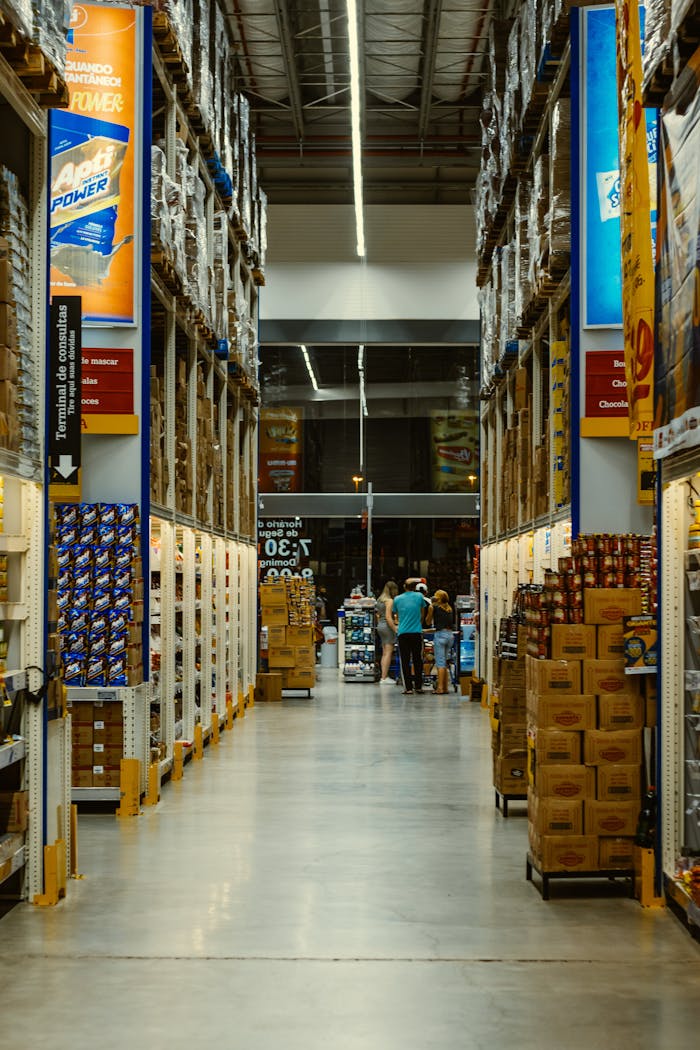
Inventory can make or break a business. Too much stock ties up cash and warehouse space, while too little means missed sales and unhappy customers. That’s where inventory solutions come in—systems and strategies designed to help businesses manage stock levels effectively and efficiently.
Whether you run an e-commerce store, retail shop, or wholesale operation, having the right inventory solution in place is essential for long-term growth.
What Are Inventory Solutions?
Inventory solutions refer to the tools, systems, and processes used to track, manage, and optimize inventory throughout a business. These solutions are designed to provide real-time visibility into your stock levels, automate reordering, forecast demand, and reduce storage and carrying costs.
A good inventory solution helps you answer critical questions like:
- What products do I have in stock?
- Where is my inventory located?
- What items are selling the fastest?
- When should I reorder?
Why Inventory Management Matters
Failing to manage inventory correctly leads to overstocking, stockouts, lost sales, and bloated operational costs. Here’s why proper inventory solutions are so important:
- Improved cash flow: You only buy what you need when you need it.
- Fewer stockouts: Avoid running out of your best-selling products.
- Lower storage costs: Eliminate excess inventory sitting in warehouses.
- Faster order fulfillment: Know what’s in stock and where it’s stored.
- Better forecasting: Use sales data to predict demand and plan smarter.
Types of Inventory Solutions
There are different types of inventory solutions to suit businesses of all sizes:
- Manual Systems: Simple spreadsheets used by small businesses. While cost-effective, they’re prone to error and not scalable.
- Barcode-Based Systems: Use barcode scanning to track inventory movement in real time. Ideal for growing businesses.
- Inventory Management Software (IMS): Automates stock tracking, integrates with sales channels, and provides analytics. Examples include Zoho Inventory, Cin7, and QuickBooks Commerce.
- Enterprise Resource Planning (ERP) Systems: Combines inventory with other business operations like finance, HR, and logistics. Best for large-scale enterprises.
- Cloud-Based Systems: Allow remote access, multi-location tracking, and real-time syncing across devices and teams.
Key Features to Look For in an Inventory Solution
If you’re shopping for an inventory tool, here are essential features to consider:
- Real-time tracking
- Low stock alerts and automated reorder points
- Integration with sales channels (Amazon, Shopify, etc.)
- Multi-warehouse support
- Inventory reporting and analytics
- Batch and expiration tracking (for perishables)
For Amazon sellers and e-commerce brands, inventory solutions that integrate directly with fulfillment centers like Amazon FBA or third-party logistics (3PLs) are especially valuable.
Final Thoughts
Inventory is more than just “what’s on the shelf”—it’s your business’s heartbeat. Implementing the right inventory solution helps ensure that products move smoothly through your supply chain, customers stay satisfied, and your business remains profitable and prepared for growth.