If you’ve ever wondered how products move from manufacturers to retail shelves—or how Amazon sellers get their inventory—wholesale distribution is the missing link. Whether you’re a business owner looking to scale or just curious about the process, understanding wholesale distribution is key to unlocking profit potential in today’s global market.
What Is Wholesale Distribution?
Wholesale distribution is a business model where a distributor buys products in bulk from manufacturers and resells them in smaller quantities to retailers, resellers, or even directly to consumers (B2B or B2C). The wholesaler typically acts as the middleman, helping brands expand their reach and retailers stock their shelves with ready-to-sell goods.
This model works across nearly every industry—from electronics and beauty to groceries and clothing—and it’s a cornerstone of both traditional retail and e-commerce supply chains.
How Does It Work?
The wholesale distribution process usually follows a clear chain of supply:
- Manufacturers produce the product.
- Wholesale distributors purchase large quantities at discounted prices.
- Retailers or resellers buy smaller batches from the distributor.
- Consumers purchase the final product from retail outlets or online.
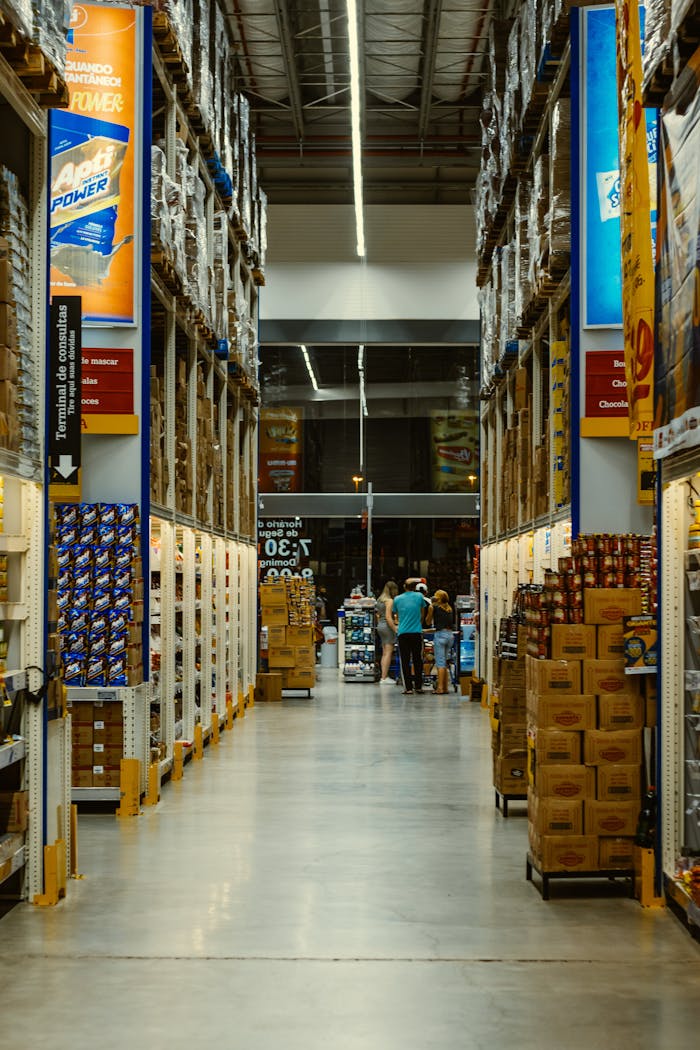
Distributors add value by handling warehousing, logistics, and sometimes even marketing support. They bridge the gap between brands that want volume orders and sellers who need manageable inventory levels.
Key Benefits of Wholesale Distribution
Key Benefits of Wholesale Distribution
For Brands and Manufacturers:
- Scale Quickly: Partnering with distributors allows manufacturers to reach multiple retailers without managing individual accounts.
- Lower Marketing Costs: Distributors often have existing relationships with resellers and retailers.
- Focus on Production: Brands can focus on quality and innovation rather than sales logistics.
For Retailers and Resellers:
Faster Restock: With domestic wholesale partners, restocking can be faster than ordering directly from overseas.
Access to Inventory: Distributors can offer a broad catalog of products, often from multiple brands.
Better Pricing: Bulk buying typically means discounted pricing, giving sellers more room for profit.
Types of Wholesale Distributors
- Traditional Wholesale Distributors: These operate warehouses and sell to retail stores, B2B businesses, or independent resellers.
- Online Wholesale Marketplaces: Sites like Faire, Tundra, and Alibaba allow retailers to order directly from vetted suppliers.
- Exclusive Brand Distributors: These companies may have contracts to distribute products for specific brands only.
Wholesale Distribution in E-Commerce
With the rise of Amazon and online marketplaces, many wholesale distributors now work directly with third-party sellers (like Amazon FBA sellers). This shift has opened up opportunities for entrepreneurs to source branded products and resell them online without manufacturing anything themselves.
Working with a reliable wholesale distributor is one of the most sustainable ways to run an e-commerce business, especially if you’re looking to avoid private label or dropshipping risks.
Conclusion:
Wholesale distribution is the engine that powers much of the retail world—both in-store and online. Whether you’re a brand looking to scale, a new Amazon seller, or a traditional retailer, understanding how wholesale distribution works will give you a strong foundation for long-term success.