In today’s fast-paced world of global commerce, delivering the right product to the right place at the right time is non-negotiable. That’s where logistics management comes in. Whether you’re a small business owner, e-commerce seller, or operations manager, understanding how logistics works is crucial to keeping customers happy and costs under control.
What Is Logistics Management?
Logistics management is the process of planning, implementing, and controlling the movement and storage of goods, services, and information throughout the supply chain. It spans everything from sourcing raw materials to delivering the final product to the end customer.
It’s not just about trucks and warehouses—logistics is the invisible engine behind every successful business that ships physical products.
The Core Components of Logistics Management
A well-run logistics system involves multiple moving parts. Here are the core components:
- Transportation: Choosing the most efficient, cost-effective way to move products—by land, air, or sea.
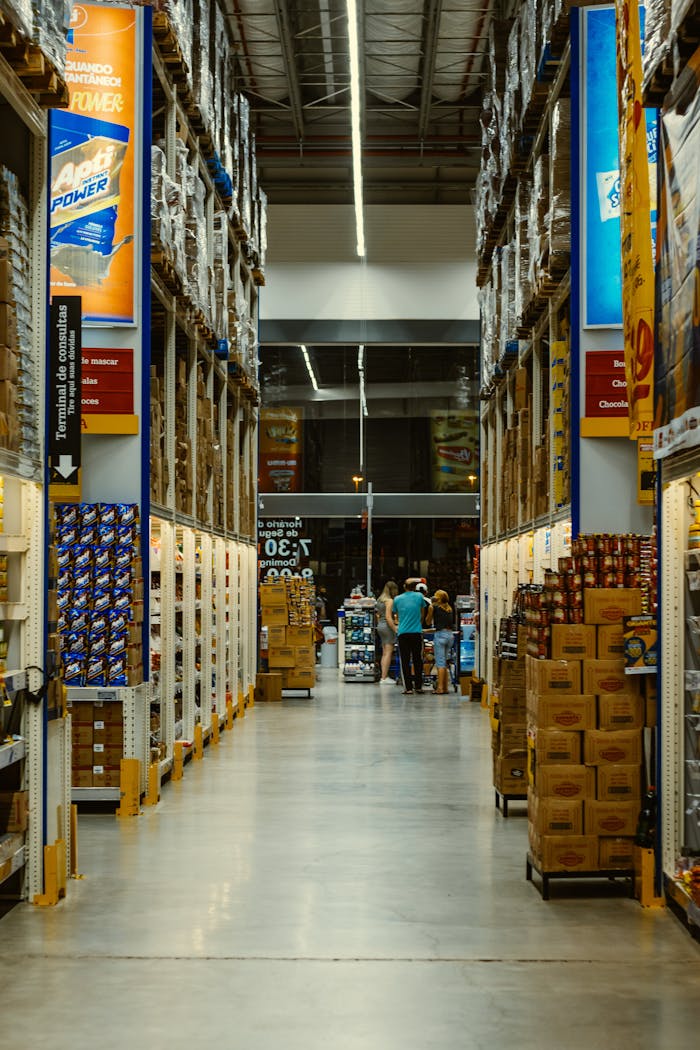
- Warehousing: Storing goods securely while maintaining inventory accuracy and accessibility.
- Inventory Management: Keeping track of stock levels and forecasting demand to avoid overstocking or stockouts.
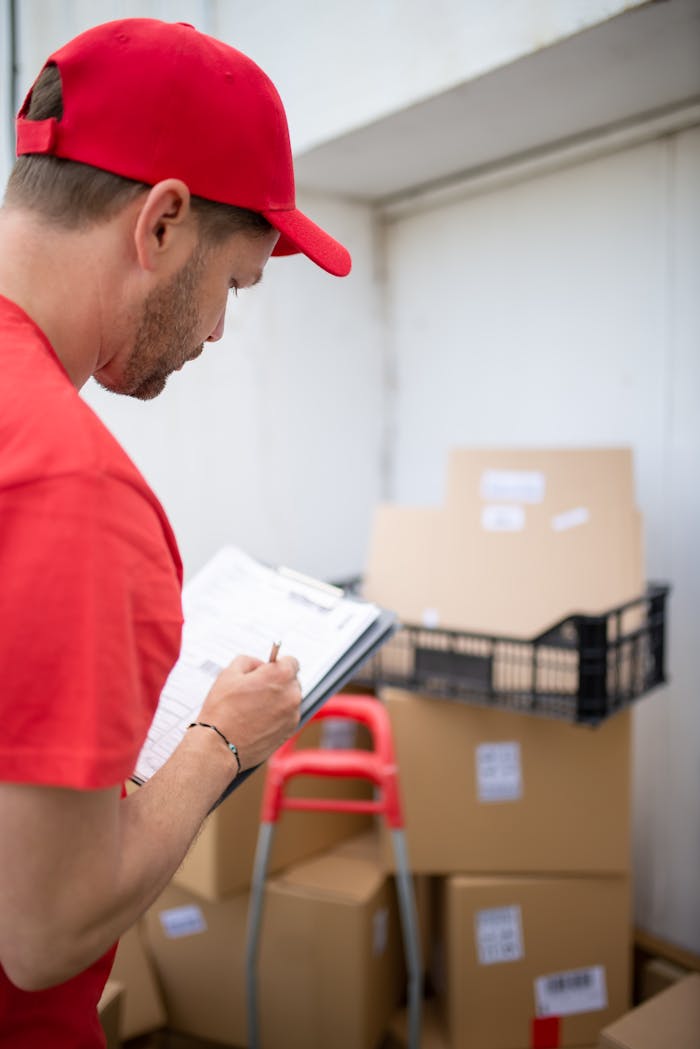
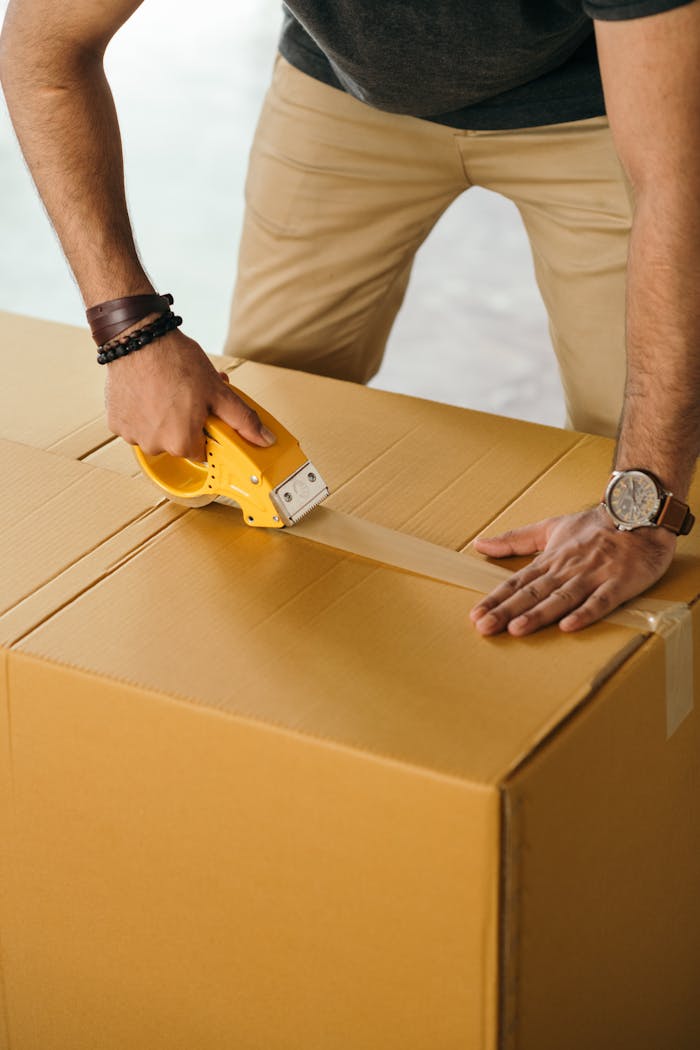
- Order Fulfillment: Picking, packing, and shipping customer orders as quickly and accurately as possible.
- Supply Chain Coordination: Ensuring smooth communication and timing between suppliers, manufacturers, carriers, and customers.
- Returns Management (Reverse Logistics): Handling product returns, exchanges, or recycling in a way that retains customer trust and reduces waste.
Why Logistics Management Matters
Poor logistics can hurt your brand—delays, missing packages, or high shipping costs frustrate customers and damage your reputation. On the other hand, great logistics management leads to:
- Faster delivery times
- Lower shipping and storage costs
- Better customer satisfaction
- Improved scalability
- Greater visibility and control across the supply chain
For e-commerce businesses (especially Amazon FBA sellers), logistics management can be the difference between profit and loss.
In-House vs. Outsourced Logistics
As your business grows, you’ll face a critical decision: manage logistics in-house or outsource to third-party logistics (3PL) providers.
- In-house logistics gives you full control but requires time, software, space, and staffing.
- Outsourcing to a 3PL can save time, provide access to better technology, and allow you to scale quickly—especially during peak seasons.
Examples of 3PL companies include ShipBob, Deliverr, and Amazon FBA (Fulfillment by Amazon).
Technology and Logistics
Modern logistics relies heavily on technology. Tools like warehouse management systems (WMS), real-time tracking, route optimization software, and AI-powered demand forecasting help businesses operate efficiently and competitively.
If you’re still using spreadsheets to track inventory or manually fulfilling orders, it’s time to level up.
Logistics management is no longer just a back-end operation—it’s a strategic advantage. Mastering the art of moving goods from point A to point B (and sometimes back again) will save you money, improve customer experience, and create a more resilient business.